THE NAME AND THE MARK
From an ancient key to a digital signature
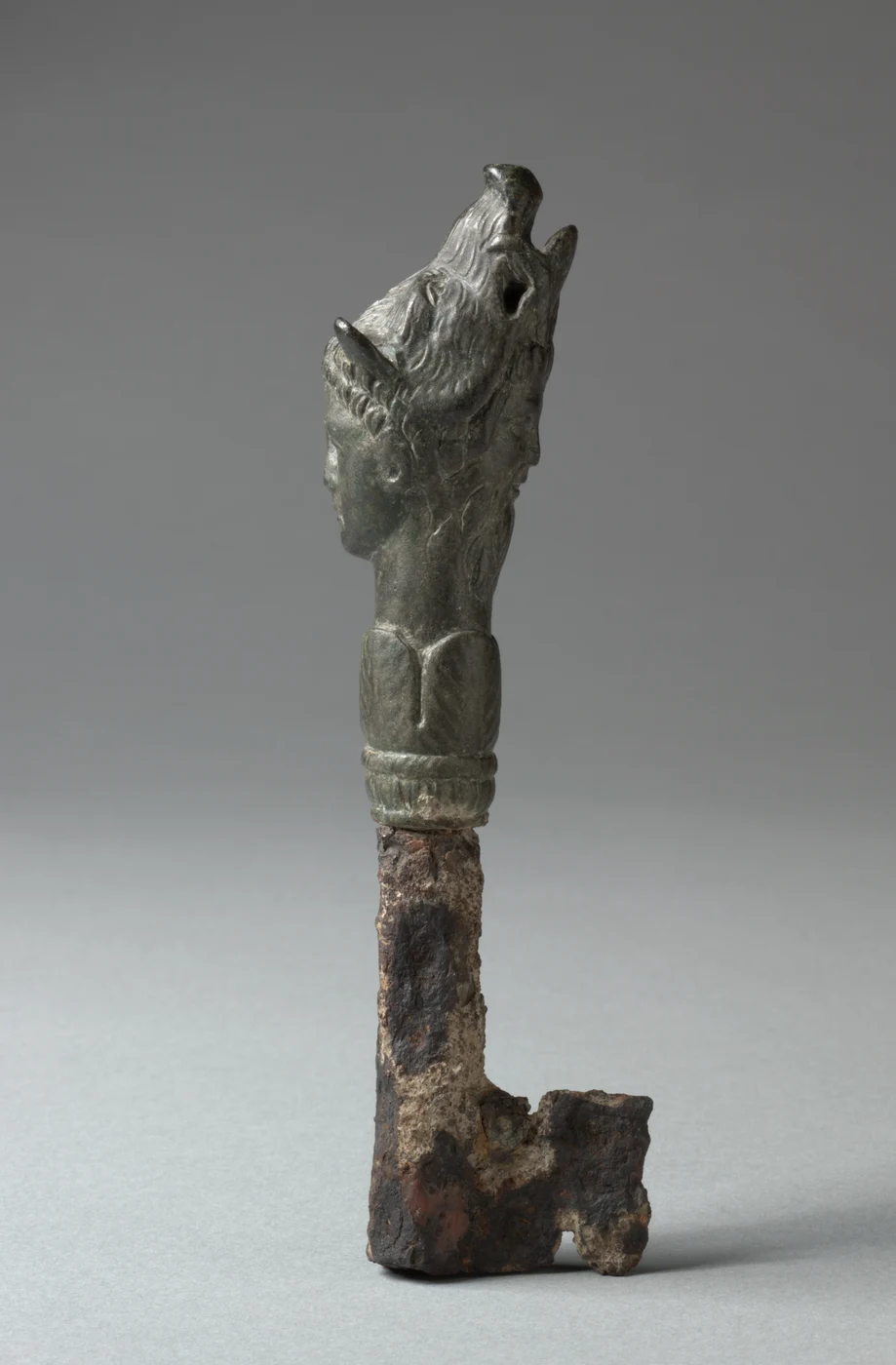
The Qlef mark reimagines a familiar object: the key that lets you decide what opens and what stays closed.
Back to Qlef WalletTHE ANCIENT KEY
THE QLEF MARK
THE NAME
Q meets clef
In French, clef (also written clé) means “key”. Qlef replaces the C with Q, a nod to quantum computing and to a new challenge for how access is protected. The name becomes a visual idea too: the tail of the golden Q forms the tooth of a key.
French Academy dictionaryTHE MODERN KEY
A new way to authorize
A metal key acts on a physical lock. A digital signing key authorizes a specific operation, such as a transfer, by creating a signature that the network can verify. Post-quantum signatures are designed to resist attacks by a sufficiently powerful quantum computer; the signing itself uses ordinary computers.
NIST digital signature standardWhat “quantum key” means at Qlef
It is a brand metaphor for the post-quantum signing approach Qlef is designed to use on Qubirtu. It is not a quantum device, a claim that a named algorithm is deployed in Qlef today, or a promise that every operation across banks, cards, and other blockchains is protected.